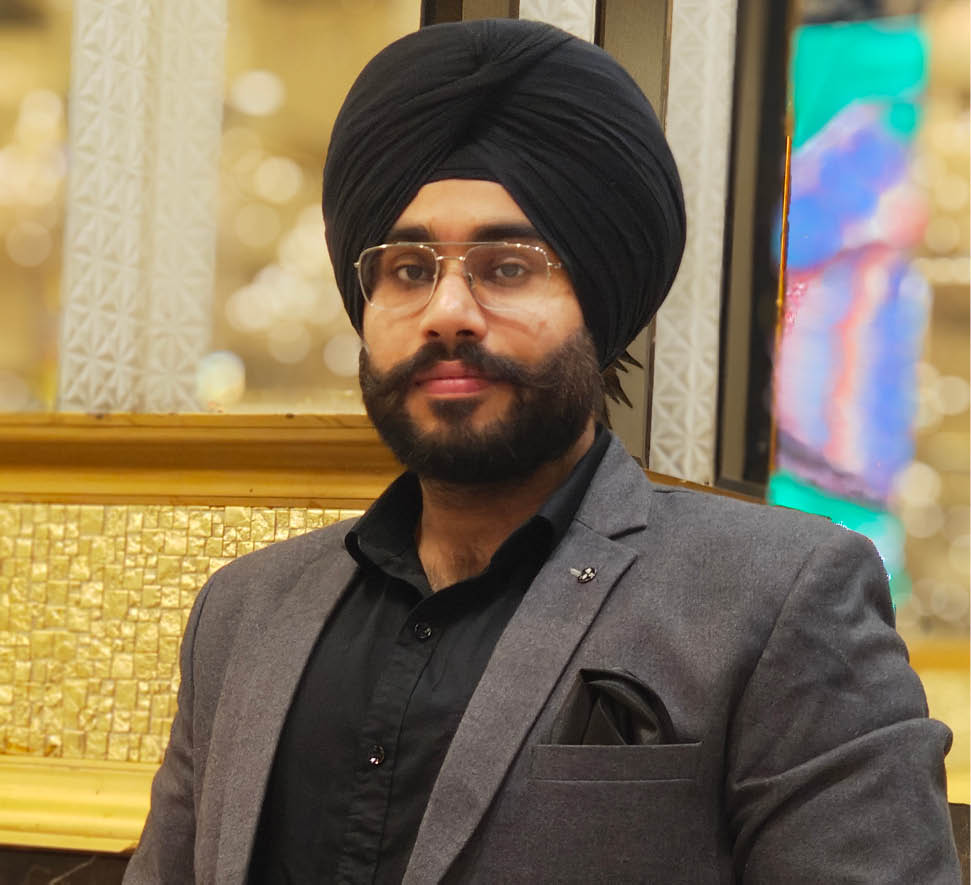
Sunpreet Singh Hanspal
Sunpreet is the Principal Investigator in the pilot clinical trial: Gamified sensor-based upper extremity functional rehabilitation in individuals with SCI. At ISCoS 2025, he hopes to network with leading experts, receive feedback on ongoing work, and initiate collaborations.
Sunpreet shares his experiences from the conference.
What I participated in
- Attended scientific sessions and workshops focused on spinal cord injury (SCI) rehabilitation, neurotechnology, and translational clinical research.
- Participated in poster viewings covering innovative rehabilitation interventions, clinical trial methodologies, and outcome assessment in SCI.
- Interacted with exhibitors demonstrating emerging rehabilitation technologies, including sensor-based and technology-assisted rehabilitation systems.
- Engaged in informal networking opportunities with fellow SRI grantees, early career researchers, and international clinicians and researchers working in SCI.
- Local Clinic tour to the Rehabilitation Medicine Centre at Sahlgrenska University Hospital.
What I accomplished or gained
- Established new professional connections with researchers and clinicians involved in SCI rehabilitation and neurorehabilitation research.
- Gained exposure to international research practices, study designs, and outcome measures relevant to my ongoing pilot clinical trials.
- Identified potential opportunities for future collaboration, mentorship, and joint research initiatives.
- Strengthened my understanding of how innovative rehabilitation technologies can be adapted to diverse clinical and resource settings.
- Expanded my academic horizon.
What I learned
- Gained valuable insights into emerging directions in SCI rehabilitation, including gamified rehabilitation, sensor-based assessment, and patient-reported outcomes, technological advancements for SCI rehabilitation, consumers perspectives, community based rehabilitation, sexual rehabilitation.
- Learned the importance of interdisciplinary collaboration between rehabilitation professionals, engineers, and clinical researchers.
- Developed a broader perspective on conducting high-quality SCI research in both high-resource and low-resource healthcare settings.
How the grant made a difference
- If it weren’t for this grant, I would not have been able to access these international scientific and networking opportunities.
- The grant directly enabled expansion of my research network and enhanced my confidence as an early-career researcher from a low- and middle-income setting.
- This opportunity strengthened my capacity to design, implement, and translate SCI rehabilitation research within my institution and regional rehabilitation community in India.
- The knowledge and connections gained will benefit my students, colleagues, and patients by supporting more evidence-based and innovative rehabilitation practices.
Next steps
- Maintain and develop collaborations initiated during the meeting.
- Integrate newly learned methodologies into ongoing and future research projects.
- Explore collaborative publications and multi-centre research proposals focused on improving SCI rehabilitation outcomes.
- Explore different opportunities for support such as grants/govt fundings similar to SRI, to translate the knowledge to bigger platforms that I have gained from this conference.
