
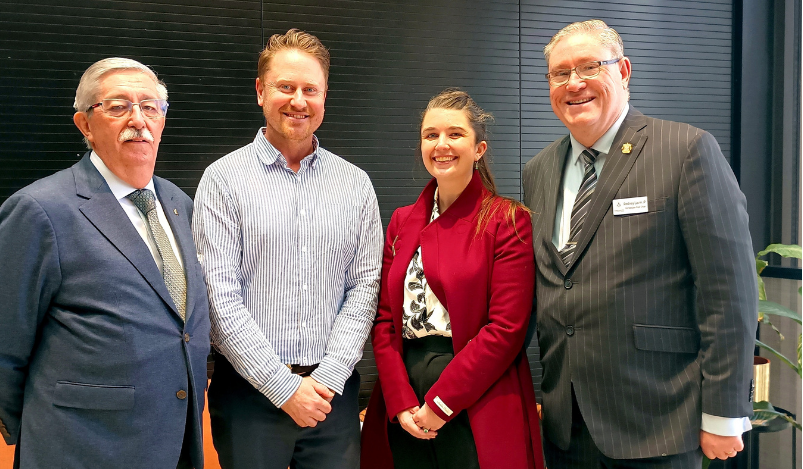
Congratulations to Dr Gemma Reynolds – Austin Health and Professor Matthew Driller – La Trobe University recipients on successfully receiving a grant from the inaugural Marigold Southey & Freemasons Foundation Victoria Spinal Cord Injury Research Grant
SPINAL-OM: A registry-embedded trial of antibiotic duration in SCI-associated pelvic osteomyelitis
- Dr Gemma Reynolds – Austin Health
People living with spinal cord injury (SCI) frequently develop pressure injuries, which can lead to serious bone infections (osteomyelitis). These infections often require long hospital stays, surgery, and weeks of antibiotics. However, the optimal duration of antibiotic treatment is unknown, and current practice is based largely on tradition rather than evidence.
This study will test whether a shorter course of antibiotics (4 weeks) is as safe and effective as the standard longer course (6 weeks) after surgery. It will be conducted within the Victorian Spinal Cord Service and embedded in a real-world clinical registry, allowing us to follow patients over time and understand outcomes both in hospital and after discharge.
By reducing unnecessary antibiotic exposure, this study aims to improve recovery, reduce side effects, shorten hospital stays, and support earlier return to independence. The findings will directly inform clinical care and future national guidelines for managing infections in people with SCI.
Sleep-SCIence: Temperature-Controlled Mattress Toppers for Sleep Management in Adults with Spinal Cord Injury
- Professor Matthew Driller – La Trobe University
People with spinal cord injury (SCI) often sleep poorly – around two-thirds report poor sleep quality, yet sleep is rarely targeted in SCI care. A key reason is that SCI disrupts the nerves that control body temperature, so the natural cooling that normally helps us fall and stay asleep doesn’t happen properly. People with SCI frequently overheat at night and wake repeatedly, and may not be able to adjust bedding or room temperature themselves.
This project will test whether a temperature-controlled mattress topper, which automatically warms and cools the bed through the night, can improve sleep in adults living with SCI. Each participant will be monitored for three weeks using their usual bed, then three weeks using the mattress topper. We will measure sleep, thermal comfort, mood, and wellbeing. If effective, this simple, non-medicinal, at-home intervention could meaningfully improve sleep, mental health, and rehabilitation for people with SCI.
Pictured (L–R): Mr Garry James (Chair, Freemasons Foundation Victoria) | Prof Matt Driller (Grant Recipient) | Dr Gemma Reynolds (Grant Recipient) | Mr Rodney Lavin J.P. (Immediate Past Chair, Freemasons Foundation Victoria)
